
Off the shelf
Many children only ever meet finished vegetables
A carrot means orange, straight, washed. Pull one crooked carrot out of the soil and growth, weather and patience all make sense in a single afternoon.
Gartenkern brings the garden into the classroom, into the nursery group and into the club, so children can see where food actually comes from and a bed stays in their memory for years.
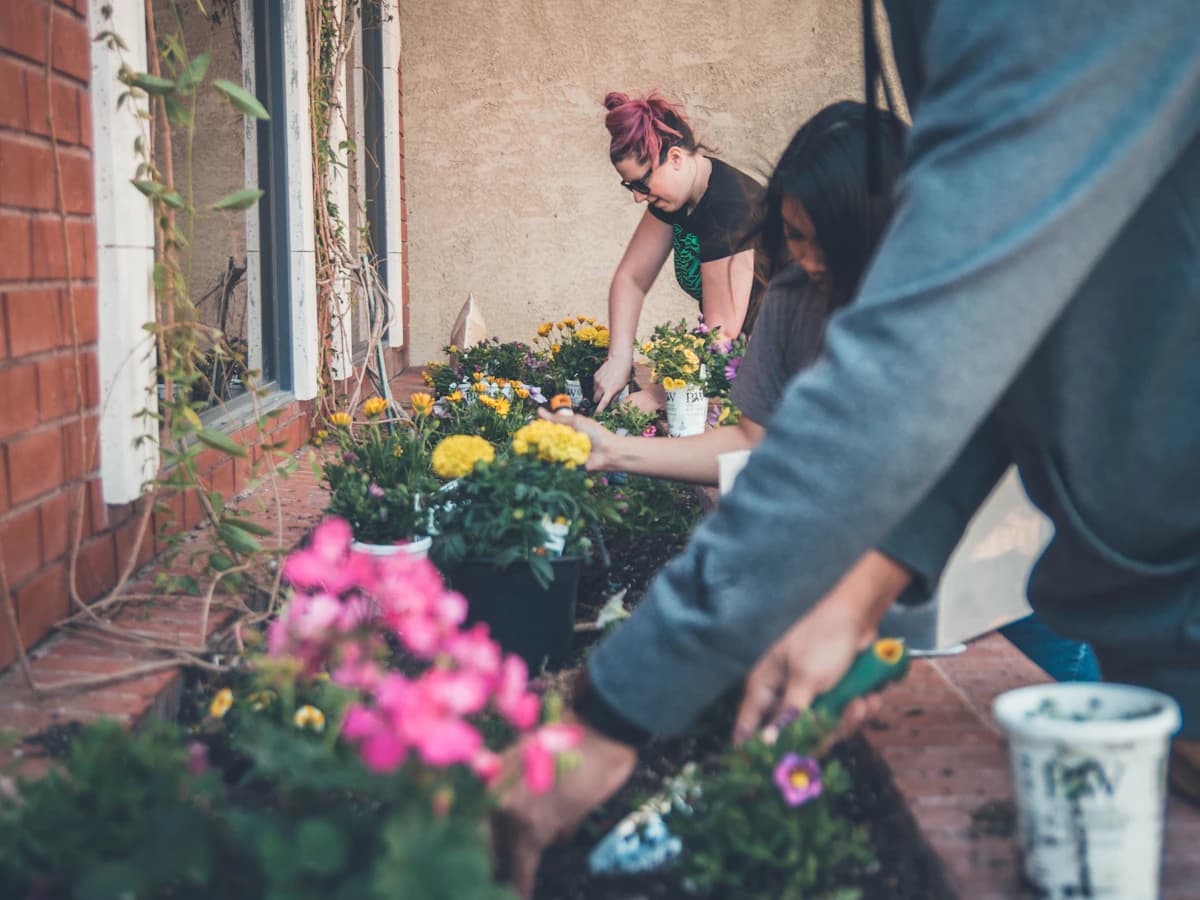
Gardening with children is not a craft hour. It is the shortest path from a question to an experience, and it takes a whole season to walk.
A carrot means orange, straight, washed. Pull one crooked carrot out of the soil and growth, weather and patience all make sense in a single afternoon.
A lettuce the group has watched for twelve weeks does not get tossed without a thought. Respect for food grows out of work, not out of being told.
When last year's cold frame is written down, the next class does not start from zero. The garden becomes the memory of the institution.
These are observations from school and community gardens, not research findings. You know best what works with your own group.
A garden bed forgets nothing.
Neither does a child who once built one.
Schoolyard, nursery raised bed or club grounds: Gartenkern adapts to the way you already work.
One shared garden for every class that takes part. Teachers keep the overview, and the knowledge stays in the building when a year group moves on.
For the youngest it is about what they can see and taste. The diary lives on pictures rather than on text.
Allotment associations, community gardens and neighbourhood initiatives keep land, people and dates in one place.
Three things that make the difference when many hands work on one garden.
Every group tends its own beds and everyone sees the same picture. Who watered, who sowed and what is still open sits on the plant itself, not on a note in the staff room.
Sowing, pricking out, planting, harvest: all of it thought in calendar weeks, the way gardeners plan. Mid May · week 19 says more than soon, and it fits into any weekly timetable.
At the end of the season a recap comes together with the best pictures and numbers. Your institution shares it as a link, with parents, supporters or the club newsletter, and nobody needs an account to open it.
We make Gartenkern available to the places that garden with children and with their neighbourhood. The conditions are written out here, so you know them before you register.
Free while the programme runs
The full range for a school or nursery garden: beds, plantings, calendar, photo diary and season recap. The AI features are the one exception, and the questions below explain what that means.
Free for non-profit work
Non-profit garden clubs and neighbourhood initiatives get the same range, plus an entry in the public club finder. Commercial use is not covered.
Companies that make beds happen
Supporting partners do not back us, they back the institutions: with raised beds, soil, seed, tools and materials. We connect what is needed with the partners who can provide it and, if they wish, name the partner at the institution they support.
We are starting with a limited number of places and agree the conditions individually with each institution. Once you register we get in touch and work out what you need.
Tell us briefly who you are and what is growing with you. We will get in touch as soon as a place opens up. Required fields are marked.