
The garden law
The Federal Allotment Garden Act protects allotments and requires that roughly a third of the area grows fruit and vegetables. A pure ornamental garden is not allowed.
BKleingG · the one-third ruleFind allotment gardens near you and understand how applying works, from the first click to the lease.
An allotment garden is not bought but leased, through a club. Here is how it works, from the search to the first spade in the ground.
Search the map and by postcode for a garden near you. Look at location, size and free plots.
Get in touch with the club and ask to join the waiting list. In some places it is quick, in big cities it takes a while.
When a plot comes free, you go and see it. Check the hut, trees, soil and the state of the beds.
For the hut and plants you pay a buyout to the previous tenant. Then you sign the lease.
Join the club, pick up the key, plan your beds with Gartenkern. Welcome to your plot.
An allotment garden is more than a patch of grass: it is regulated by law, affordable and shared. The six things you should know before you apply.
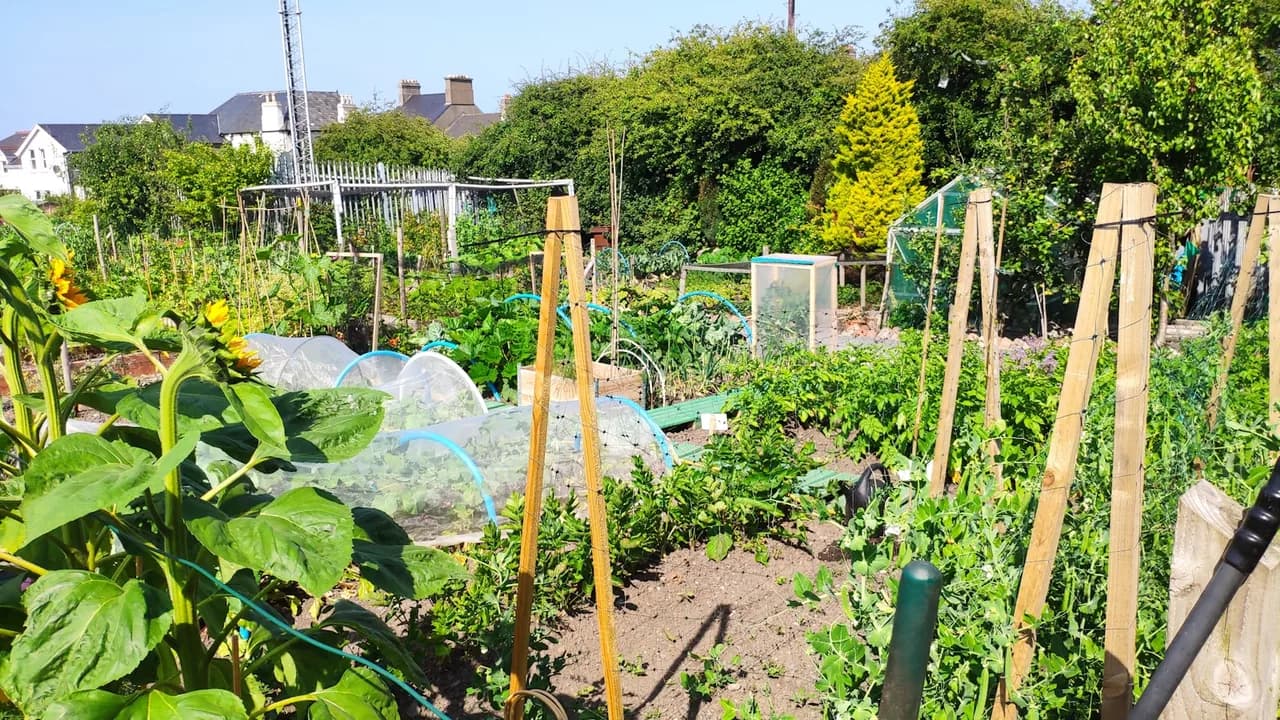
The Federal Allotment Garden Act protects allotments and requires that roughly a third of the area grows fruit and vegetables. A pure ornamental garden is not allowed.
BKleingG · the one-third ruleThe rent is capped by law. For a 300 m² plot you often pay just 100–250 € a year, plus the club fee, water and insurance.
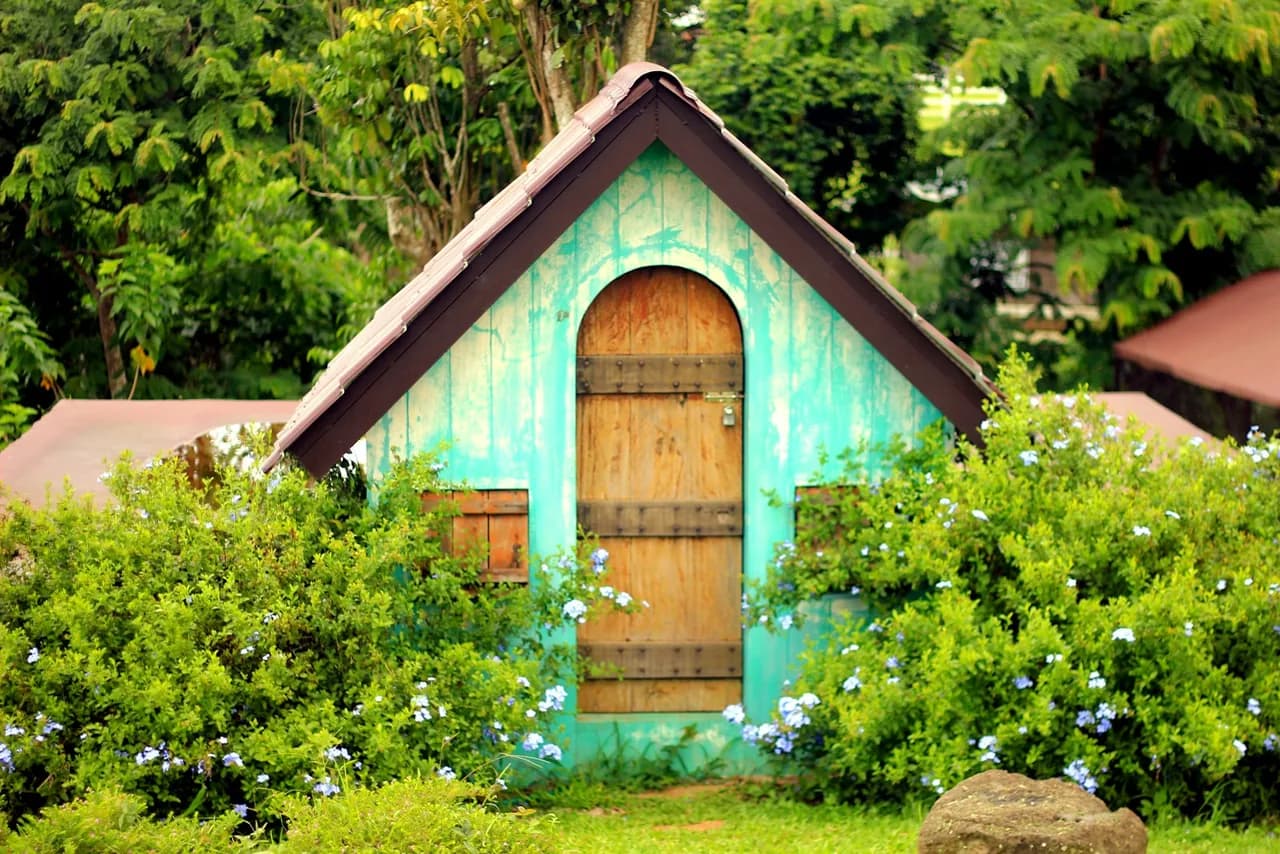
approx. 200–500 € / yearA hut may be at most 24 m², including a covered seating area. It is for spending time; living there permanently is not permitted.
max. 24 m²You become a member of the club and pitch in: a few mandatory hours a year for paths, hedges and festivals are part of it. That builds good neighbourhood.
Working hours & meetingsIn rural areas a plot is often free right away, in big cities you wait months to years. Asking several gardens at once clearly improves your chances.
varies a lot by regionWhen taking over, you pay the previous tenant a buyout for the hut, trees and tools. A neutral valuation prevents inflated demands.
one-off · by valuationThe cities with the most allotment garden sites. Pick yours and see the sites nearby.
Because the rent is capped by law, an allotment garden stays affordable. The only larger, one-off item is the buyout when you move in, and that depends heavily on the hut and the planting.
The example below shows typical annual costs for an average 300 m² plot. Each club sets the exact amounts itself.
Protected by law: the rent may be at most four times the local rent for commercial fruit and vegetable growing.
An allotment garden takes learning: the one-third rule, the right sowing time, good neighbours in the bed. Gartenkern gives you the know-how and the tools so beginners get started right away and get better over the years.
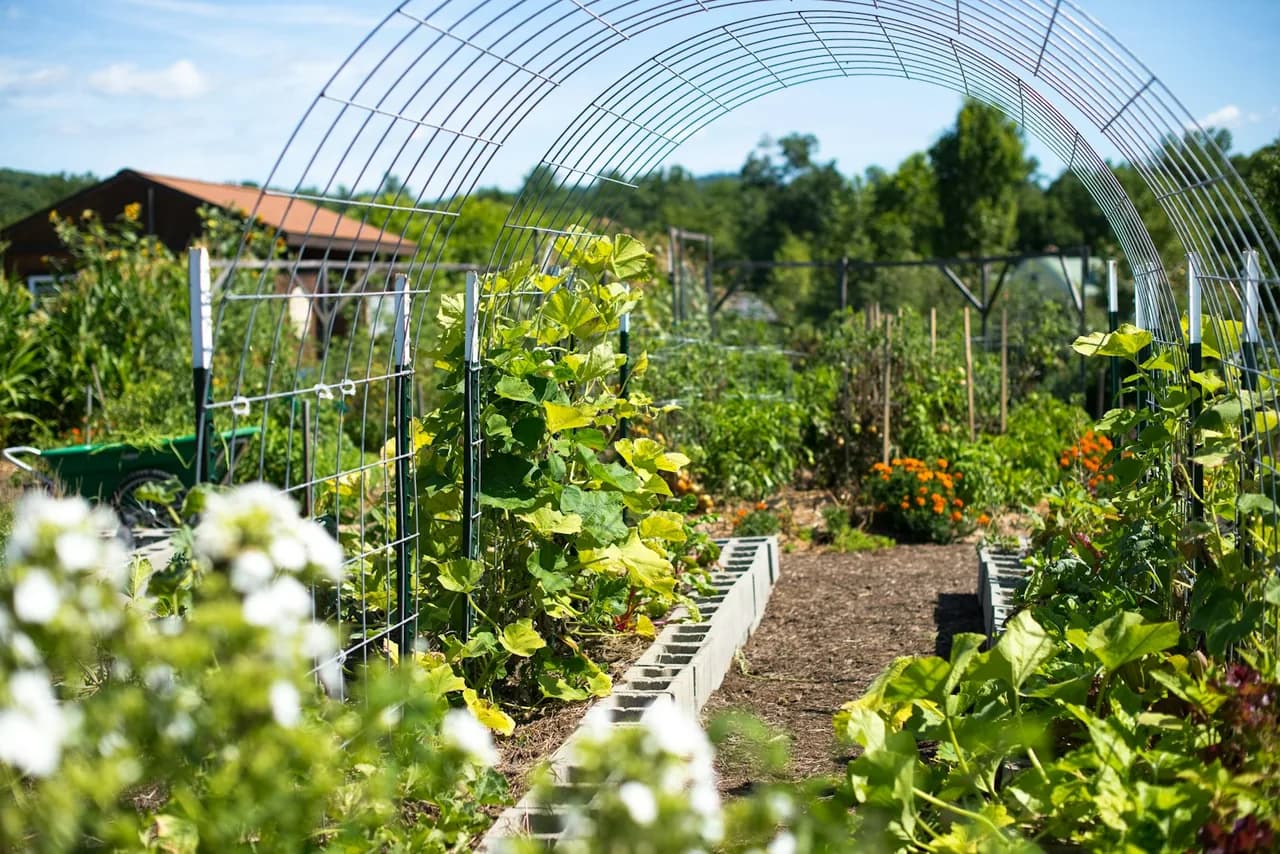
Draw beds, hut and paths to scale on the aerial map and place plants where they belong. Gartenkern works out automatically how much of your area is used for growing, so you keep the legally required third in view along the way.

Dynamic dates based on your location and the weather. As a beginner you stop missing windows; Gartenkern tells you what is due this week.
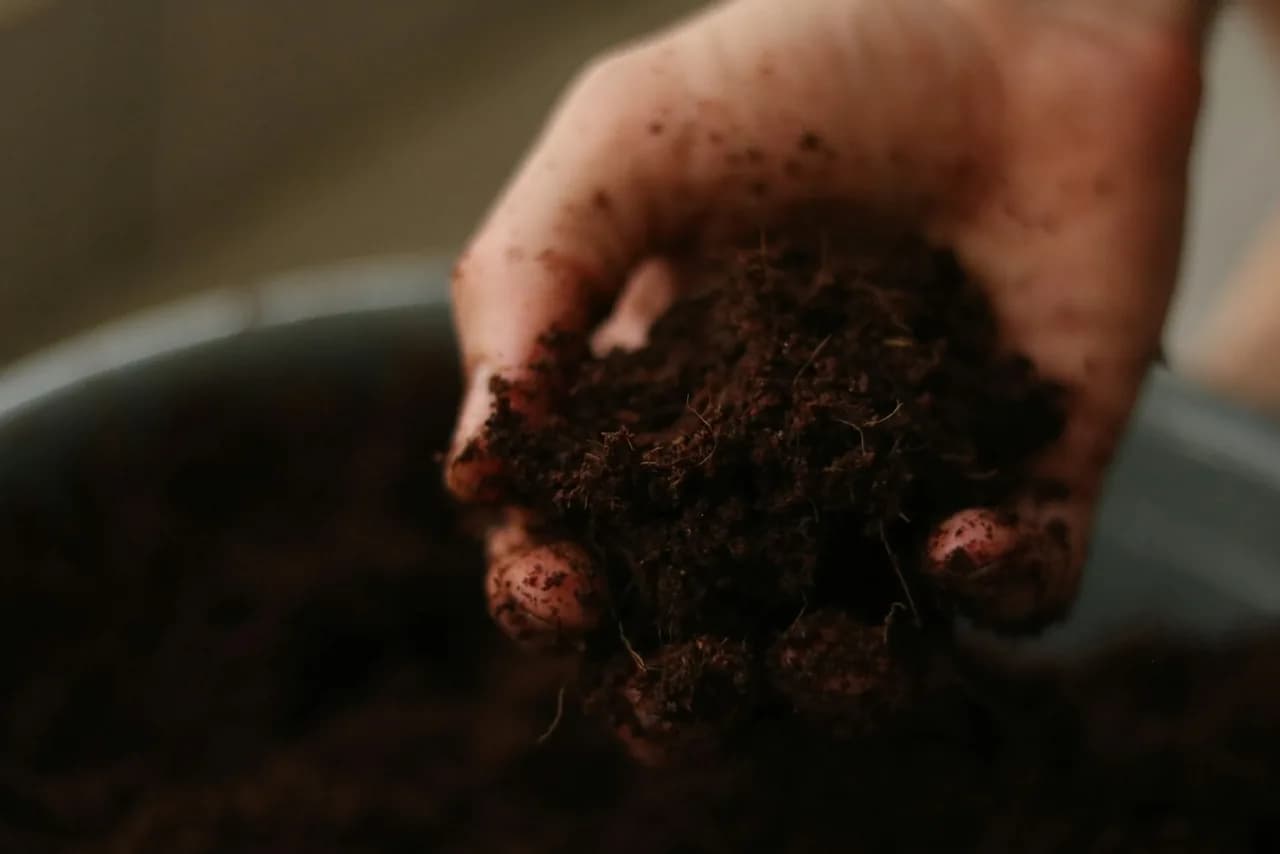
Which plants get along and what should go in the bed next year. Gartenkern remembers what grew where, so the soil does not wear out over the years.
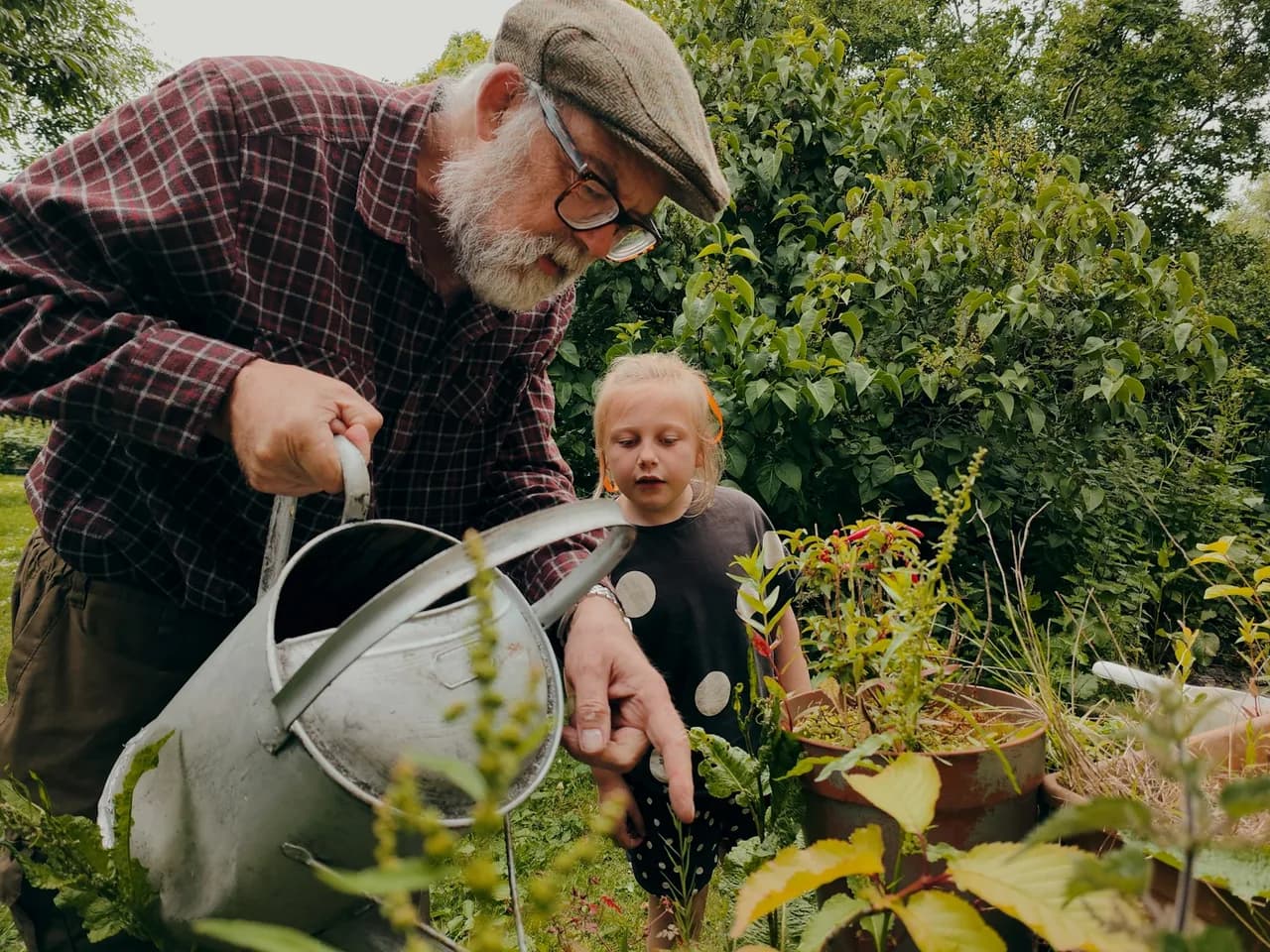
Detailed variety profiles and an AI advisor that answers questions with reference to your location and your plot: clearly and always with a source.
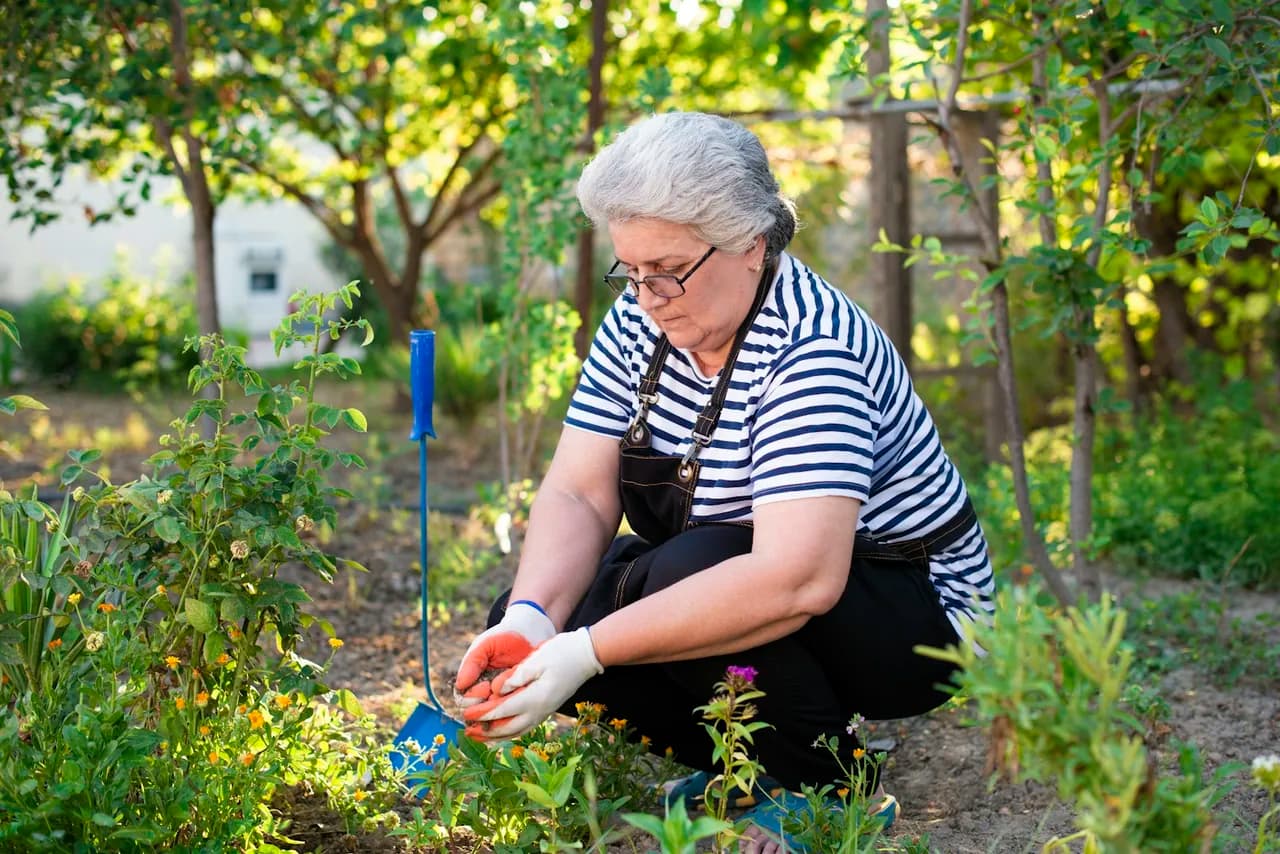
Watering, pinching out, frost warning: Gartenkern reaches out exactly when it matters. So your first garden gets through every season well.
Which climbers actually close a balcony, how large the pot must be, and why hardiness in a container is a different thing from hardiness in a bed.
A rental garden is a vegetable plot that is already planted in May and handed back in October. What it costs in time, what comes out of it, and who it is worth it for.
In summer there are no ten metres of kitchen corridor between the bed and the pan. What you need for that, what is allowed in your own garden, on a balcony and in an allotment, and why portable is more often the wiser choice.
Cirrus, halo, thunderstorm tower, falling pressure, low hunting swallows and daisies that shut at three: what genuinely holds up, and why your look at the sky beats the app over the next two hours.
One wheel or two, pneumatic tyres or solid rubber, barrow or cart: what spares your back, how to load properly and which numbers on the label actually mean something.
The garden should not hurt. A raised bed at 80 to 90 cm, a table bed you can pull up under, long handles, kinder grips, lifting from the legs and working in twenty minute stints instead of three hours in the same position.
Under the canopy the grass thins out and then the moss arrives. Why shortage of light, root competition and throughfall work together, which mixture with supina bluegrass and red fescue actually holds, how to mow at 7 to 8 cm and feed less, and where the honest limit sits beyond which Waldsteinia, hostas and bark mulch are the better answer.
Your winter prunings are fencing material: willow rods strike root and turn into a living fence, hazel poles stay dead and last 5 to 10 years as a weave, brushwood becomes a Benjes hedge. Weaving technique, cutting season CW 46 to 9, service life honestly counted, and what neighbour law has to say about it.
Grasses plus low, tread tolerant flowers: white clover, daisies, creeping thyme, selfheal. Four to six cuts a year at 6 to 8 cm, no feed, no scarifying. How to sow a flowering lawn from scratch or overseed it into the sward you already have.
Browse the map at your own pace and ask several clubs directly. Once you have found a garden, Gartenkern helps you with every step.
View all gardensNo. An allotment is leased, not bought. The land belongs to the city, a railway or a federation, and the club leases the plots to its members. When you move in you only acquire the existing hut and planting via the buyout.
It is very regional. In rural regions and smaller towns a plot is often free right away. In sought-after big cities like Berlin, Hamburg or München the waiting list can be several months to years long. Tip: apply to several gardens at once, that clearly improves your chances.
Yes, at least in part. The Federal Allotment Garden Act requires allotment-style use. As a rule of thumb the one-third rule applies: about a third for growing fruit and vegetables, a third for recreation, a third for paths and the hut. A pure ornamental or lawn garden is not permitted.
Living there permanently is not allowed: the hut may be at most 24 m² and is not meant as living space. Many clubs tolerate the occasional overnight stay in the warm season, but the individual garden rules decide that.
When taking over a plot you pay the previous tenant a buyout for the hut, woody plants, paths and tools. To keep the amount fair, the club or a neutral assessor draws up a valuation. Always ask for that report before you agree.
As a rule the lease runs in the name of one person or a couple. Family and friends may of course use the garden too. Subletting, however, is not allowed.
Plan your beds, keep sowing and harvest dates in view and find rules that fit your garden, all in one place.
See featuresIn the club finder you will find every recorded allotment garden in Germany, with location, size and the responsible federation.
Open the club finder